Tooele:

(435) 243-5542

Grantsville:

(435) 246-7555
Schedule Now

Muscle and Joint Chiropractic

  • About
    • Meet Our Team
    • Testimonials
    • Office Tours
  • Patients
    • Schedule an Appointment
    • Blog
  • Services
        • Chiropractic
          • Spine Related
            • Back Pain
            • Headaches and Migraines
            • Neck Pain
            • Sciatica
            • Scoliosis
          • Injuries
            • Disc Injury
            • Work Injury
          • Extremites
            • Arm or Leg Pain
            • Carpal Tunnel
            • Hip Pain
            • Muscle & Joint Pain
          • Other Symptoms
            • Vertigo
        • Family Chiropractic
          • Chiropractic Care for Kids
          • Pregnancy
          • Wellness Care
        • Auto Accident
          • Auto Accident Checklist
          • Auto Injury FAQ's
          • Whiplash
        • Personal Injury
        • Sports Injury
          • Concussions
          • Impact Injuries
          • Rocktape
        • Massage Therapy
        • Spinal Decompression
        • Shockwave Therapy
        • AMIT
        • Functional Neurology
          • ARP Wave Machine
  • Review Us
  • Locations
    • Tooele
    • Grantsville
  • Chiropractic Care
  • Back Pain
  • Auto Injury
  • Car Accident
  • Personal Injury

Can a Chiropractor Treat Spinal Disc Herniation? 

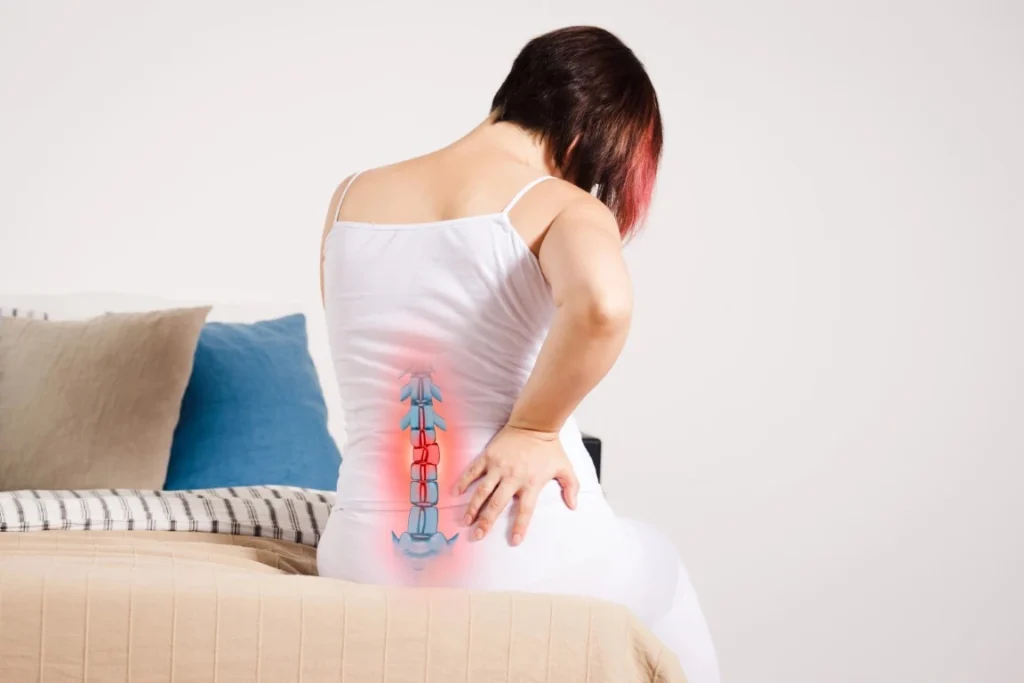
Spinal disc herniation - Muscle & Joint Chiropractic, Tooele, Utah

Spinal disc herniation can be a painful and disruptive condition, especially if you are typically very active throughout the day. This pain can pull you away from your favorite activities. If you’ve been experiencing this pain for a while, you may begin considering your treatment options, including surgery.

However, you may be weary of seeking surgery before it is absolutely necessary. In many cases, patients would prefer to try non-invasive treatment options first. One great, non-invasive option for treating spinal disc herniation is chiropractic treatment. This treatment can provide much-needed relief, making it the perfect first step in recovery.

If you’re dealing with spinal disc herniation and would like to learn more about how a chiropractor can help you recover, keep reading. 

What is Spinal Disc Herniation? 

Your spinal discs are the rubbery cushions between your vertebrae, the bones that make up your spine. The center of your discs, also called the nucleus, is soft and jelly-like, while the exterior, or annulus, is tough and rubbery. Spinal disc herniation, also known as a herniated disc, is an injury that occurs when the nucleus pushes through a tear in the annulus.

While this injury can occur in any part of the spine, most patients experience spinal disc herniation in their lower back. This herniation may occur for various reasons, including age-related wear and tear, improper lifting techniques, and injury. If you believe you have a herniated disc, there are a few symptoms you may experience, including: 

  • Numbness or tingling in surrounding tissue, arms, legs, and feet
  • Sharp, radiating pain in your legs, reminiscent of Sciatica
  • Shooting pain in your lower back
  • Muscle weakness

However, it is important to note that you can experience spinal disc herniation without experiencing any of these symptoms. Some patients may not realize they have a herniated disc until they get spinal imaging to treat other injuries. 

Spinal disc herniation - Muscle & Joint Chiropractic, Tooele, Utah

Can a Chiropractor Help? 

There are many treatment options for patients experiencing spinal disc herniation. If you are looking to try a non-invasive treatment option before considering surgery, you may consider turning to a chiropractor for support. Chiropractic treatment focuses on the body’s ability to heal itself, making it a great first step on your recovery journey.

There are a few treatments your chiropractor may recommend to help heal your herniated disc, including: 

  • Spinal Adjustments: One of the first recommendations your chiropractor will make when suggesting treatment for your herniated disc is spinal adjustments. They will perform gentle adjustments to realign your spine and relieve any pressure on your discs. These adjustments should help alleviate the pain you’re experiencing. 
  • Advanced Muscle Integration Technique: AMIT treats many common joint and muscle conditions. It addresses muscle weakness surrounding your joints, which may lead to joint instability and injury. By strengthening the muscles around your spine, you can better support your vertebrae, treating your herniation and preventing it from recurring. 
  • Ergonomic Education: In addition to their in-office treatments, your chiropractor may make ergonomic recommendations, including adjustments to your posture and lifting techniques that can help you prevent repeat injury. 
  • Exercise Programs: Your chiropractor will provide you with a list of exercises to perform at home. These exercises will complement the treatments they provide in the office, helping to support muscle growth and healing as you recover. They will also help to stabilize your back, preventing future issues. 

How Long is Treatment for Herniated Discs? 

If you are experiencing spinal disc herniation, you may worry that it will take months for you to begin experiencing relief. Treatment time can vary when you rely on chiropractic treatment to remedy your herniated disc. However, most chiropractic patients find they experience relief from their discomfort two to four weeks after beginning treatment. 

Spinal disc herniation - Muscle & Joint Chiropractic, Tooele, Utah

Patients with more severe spinal disc herniation may find that it takes longer to achieve this relief. If you want to ensure complete healing from this injury, it is essential that you follow your Chiropractor’s recommended treatment plan. They will monitor your healing and make adjustments as necessary to ensure you get the most out of this treatment, allowing you to feel better as soon as possible. 

However, knowing when to seek emergency medical attention when dealing with a herniated disc is important. If you are currently seeking treatment and the symptoms are worsening, you’re experiencing incontinence, trouble urinating, or saddle anesthesia, you should reach out to a doctor as soon as possible.  

Seeking treatment immediately following these symptoms can prevent permanent damage or paralysis. In some cases, this may mean you’ll need emergency surgery. While this can be daunting, it is essential for protecting yourself from much more significant injury. 

Helping You Recover from a Back Injury

Recovering from a spinal disc injury can be difficult, but it doesn’t have to require surgery or long-term medication use. Chiropractic care offers a non-invasive approach to relieving pain, restoring mobility, and supporting overall spinal health. By addressing the root symptoms, you can get back to living a pain-free life. 

Spinal disc herniation - Muscle & Joint Chiropractic, Tooele, Utah

If you’re looking for a chiropractic team in the Tooele, Utah, area to help you recover from your disc injury, turn to our team at Muscle & Joint Chiropractic. With years of experience and a more personalized, hands-on approach, we’re confident that our team can help you alleviate pain and begin your journey toward a healthier back. 

If you want to learn more about our chiropractic treatments or schedule an appointment, contact our team today. 

Filed Under: Chiropractic

Have a headache in Tooele, Utah

If you’ve dealt with back pain and general discomfort for some time, you may find yourself considering scheduling a chiropractic adjustment. However, if you’ve been to the chiropractor before, you may have experienced a headache following your adjustment that has scared you off from considering the treatment again. 

While this symptom can be concerning if you weren’t expecting it, headaches are an easily explainable part of the adjustment process. In this blog, we’ll explain what to expect during your chiropractic adjustment, why you may develop a headache, and how to avoid these post-adjustment symptoms to get the most out of your chiropractic care. 

Understanding Chiropractic Adjustment

A chiropractic adjustment, also commonly referred to as spinal manipulation, involves a chiropractor applying controlled, sudden force to a spinal joint with their hands or small instruments. These adjustments aim to reduce back pain and improve spinal movement and physical function. It isn’t uncommon to hear popping or cracking sounds during your adjustment. 

These adjustments can help reduce or eliminate chronic back pain, improve mobility, and enhance the function of the nervous system. However, because the process involves manipulating the spine and surrounding tissues, it may lead to temporary discomfort or side effects as your body adjusts. 

Have a headache in Tooele, Utah

Is it Normal to Have a Headache After an Adjustment? 

While chiropractic adjustments offer many patients relief and an improvement to their well-being, it is not uncommon to have a headache afterward. These headaches occur because of several factors:

  • Release of Toxins: After your chiropractic adjustment, your spine and muscles will realign, leading to the release of built-up toxins in your body. You may have a headache as the toxins flush out of your body. 
  • Increased Blood Flow: As your spine realigns, it isn’t uncommon to experience an increase in blood flow to your head. This increased blood flow may cause some chiropractic patients to develop a headache, especially if there is a sudden change in circulation.
  • Muscle Tension: Adjustments don’t just affect the muscles around your spine. They can also impact the muscles around the neck and head, potentially leading to tension that can manifest as a headache.

Most post-adjustment headaches are mild and should resolve within a few hours. By the 24-hour mark after your appointment, you should be able to return to regular activity. If the headache doesn’t go away, it is best to reach out to your chiropractor for support. 

Other Post-Adjustment Symptoms

Headaches aren’t the only symptoms patients may experience following a chiropractic adjustment. Some other symptoms you may experience after an adjustment may include: 

  • Soreness and Stiffness: It is common to feel some muscle soreness and stiffness after an adjustment. This soreness is similar to how you may feel following a workout. This pain occurs as your muscles adapt to their new alignment and should subside quickly.
  • Fatigue: Some chiropractic patients may feel abnormally tired after an adjustment. This fatigue is a result of your body healing and recalibrating after the adjustment. 
  • Dizziness or Lightheadedness: While uncommon, patients have reported a temporary effect on their sense of balance, leading to dizziness or lightheadedness. 
Have a headache in Tooele, Utah

How to Avoid Headaches and Other Symptoms 

Although post-adjustment symptoms like a headache are harmless, there are a few steps you can take to minimize the likelihood of experiencing them. If you want to avoid these symptoms, consider:

  • Drink Plenty of Water: In the days leading up to and following your adjustment, make sure to drink plenty of water. Drinking water helps flush out toxins released during treatment, reducing your likelihood of developing a headache. 
  • Take a Few Rest Days: While you may be itching to get back to the gym after your chiropractic adjustment, it is best to avoid strenuous activities for a few days. Returning to physical activity too soon can exacerbate symptoms, like a headache, so it is best to take a few rest days out until symptoms dissipate. 
  • Communicate with Your Chiropractor: If you’ve had an adjustment before and experienced headaches, let your chiropractor know before future treatments. They can adjust their techniques and provide specific advice to help mitigate these symptoms. 
  • Consider Gradual Adjustments: If you are new to chiropractic treatment or find that you have an especially sensitive system, your chiropractor may suggest a more gradual approach to adjustments. These gradual adjustments allow your body to adapt more comfortably to major changes. 
  • Monitor Your Posture: After your adjustment, keep a close eye on your posture. Maintaining good posture throughout the day can support the benefits of your adjustment and reduce the strain on your spine and surrounding muscles. 
Have a headache in Tooele, Utah

Adjustments and More at Muscle & Joint Chiropractic

Experiencing a headache after a chiropractic adjustment can be an unpleasant part of the process. However, with proper care for your body and an open line of communication with your chiropractor, you should be able to alleviate these symptoms. If you are looking for a chiropractic team in the Tooele or Grantsville area to help you reduce back pain and more, turn to our team at Muscle & Joint Chiropractic.

Since 2019, our team has provided comprehensive and compassionate care to patients across the area. Unlike the competition, our team spends dedicated time with you, creating the perfect treatment plan to alleviate any pain you’re experiencing. With us on your side, you can trust that you’ll be your best self.

If you would like to schedule a chiropractic adjustment with our team or have any questions about our services, don’t hesitate to contact us today. 

Filed Under: Chiropractic

Sacroiliitis in Tooele, Utah

Sacroiliitis can cause significant discomfort and disrupt daily life. Understanding what it is and how chiropractic care can help manage the symptoms is crucial for those suffering from it. However, receiving a diagnosis and finding true relief may be more difficult than expected.

At Muscle & Joint Chiropractic, we understand how impactful this condition can be on your everyday life. Without proper treatment, you may struggle to enjoy your favorite activities. If you believe you may have sacroiliitis and want to learn more about how a chiropractor can help, keep reading. 

What is Sacroiliitis? 

Sacroiliitis is a condition that affects the sacroiliac (SI) joints, where the lower spine and pelvis connect. These joints play a critical role in absorbing the impact of the upper body on the lower body and providing stability. When these joints become inflamed, it can lead to pain in the lower back and buttocks. In some cases, it may also extend down your legs. 

This pain may worsen with prolonged standing, climbing stairs, or running. Various factors, such as trauma from a fall, pregnancy, or arthritis, can trigger this condition. Diagnosing sacroiliitis can be challenging because its symptoms often overlap with other conditions like sciatica or lower back pain. However, effective treatment is essential to reduce inflammation, alleviate pain, and restore mobility.

How Can a Chiropractor Help? 

Chiropractic care offers a non-invasive, drug-free approach to managing and alleviating sacroiliitis symptoms. They are trained to identify misalignments in the spine and pelvis, which can contribute to the inflammation of your SI joints. Some treatments your chiropractor may employ to help you recover include: 

Sacroiliitis in Tooele, Utah

1. Spinal Adjustments

Chiropractors use specific techniques to adjust the spine and pelvis, helping you realign your SI joints. These adjustments can reduce the pressure on your joints, decrease inflammation, and alleviate pain caused by your sacroiliitis. By restoring proper alignment, your body can heal itself more effectively, leading to long-term relief. With these treatments, you may also notice a significant improvement in other bodily discomforts, addressing problems like chronic sciatica, headaches, migraines, or disc injuries. 

2. Stretching and Strengthening Exercises

Your chiropractor will recommend exercises tailored to your condition during your treatment period. These exercises are designed to strengthen the muscles surrounding your SI joints, improving stability and reducing the likelihood of future inflammation. Stretching exercises can also enhance flexibility and alleviate stiffness in the lower back and hips. If you have dealt with sacroiliitis in the past and would like to avoid reinjury, it is crucial that you follow this exercise routine closely. 

3. Lifestyle and Posture Guidance

Poor posture and certain lifestyle habits can exacerbate sacroiliitis. While attending regular appointments to address your discomfort, your chiropractor may also provide guidance on maintaining proper posture during daily activities such as sitting, standing, and lifting. They may also recommend modifications to your daily routine to minimize stress on the SI joint, such as ergonomic adjustments to your workspace or alternative exercises. While addressing SI pain, these recommendations should also help you avoid developing other forms of discomfort. 

4. Chiropractic Massage

Chiropractic massage is a great way to recover from sacroiliitis by reducing inflammation, relieving muscle tension, and improving circulation around your SI joint. This massage targets the muscles surrounding the affected area, helping to alleviate pain and promoting healing. Additionally, it enhances flexibility and mobility, allowing for a more comfortable range of motion. Combined with your spinal adjustments and exercise recommendations, massage provides a holistic approach to managing your symptoms, leading to faster and more sustainable recovery. 

Sacroiliitis in Tooele, Utah

5. Pain Management Techniques

In addition to making spinal adjustments and providing exercise recommendations, your chiropractor may use other pain management techniques, such as heat and cold therapy or electrical stimulation, to aid your recovery. Heat increases blood flow to the area, providing the muscles, joints, and surrounding tissue with plenty of much-needed nutrients, while cold packs help reduce inflammation and swelling. If you are looking for near-immediate relief to the discomfort you’re experiencing, these treatments should provide it. 

6. Rest Recommendations

While your chiropractor will perform several treatments and make strengthening and exercise recommendations, they may also make rest recommendations. When recovering from an injury like sacroiliitis, it is vital that you allow your body plenty of time to heal. It may be in your best interest to avoid excess activities that may contribute to additional discomfort. While in recovery, avoiding heavy lifting, jumping, twisting, and cycling is best to allow your body to heal properly.

The Benefits of Chiropractic Care for Sacroiliitis

One of the most significant benefits of attending regular chiropractic appointments is its holistic approach to treating sacroiliitis. Rather than just masking the symptoms with medication, chiropractic treatment aims to address the root cause of the problem. This treatment not only provides relief but also helps you avoid future flare-ups. 

Additionally, chiropractic care is a personalized treatment option, with care plans tailored to your specific needs and conditions. If you are experiencing more pain in your lower back, hips, or buttocks, your chiropractor can customize the treatment to help target these pains specifically. With their help, you can trust that the discomfort you’re experiencing will be addressed head-on. 

Sacroiliitis in Tooele, Utah

Aiding Your Recovery in Tooele, Utah

If you are experiencing sacroiliitis symptoms, it is best to reach out to your chiropractor for support. With their expertise in spinal health, they can provide effective, natural treatment options to help you manage your symptoms and improve your quality of life. If you are looking for a reliable chiropractor in the Tooele or Grantsville area, turn to our Muscle & Joint Chiropractic team. 

With years of experience helping patients address a variety of conditions, we are confident that we can help you recover from your sacroiliitis as well. From spinal adjustments to massage therapy and more, our team is dedicated to helping you feel better. If you would like to schedule an appointment with our team to address this discomfort, reach out to us today. 

Filed Under: Chiropractic

  • « Previous Page
  • 1
  • …
  • 13
  • 14
  • 15
  • 16
  • 17
  • …
  • 33
  • Next Page »
schedule button

Office Hours

  • Monday

    8:30am - 7:30pm

  • Tuesday

    8:30am - 6:30pm

  • Wednesday

    8:30am - 7:30pm

  • Thursday

    8:30am - 7:00pm

  • Friday

    8:00am - 6:30pm

  • Saturday

    7:30am - 11am

main logo

Muscle and Joint Chiropractic

1185 B N Main St
Tooele, UT 84074

(435) 243-5542

225 East Main Street Suite B
Grantsville, UT 84029

(435) 246-7555

Muscle & Joint Chiropractic – Tooele

1185 B N Main St
Tooele, UT 84074
(435) 243-5542
Monday 8:30 AM - 7:30 PM
Tuesday 8:30 AM - 6:30 PM
Wednesday 8:30 AM - 7:30 PM
Thursday 8:30 AM - 7:00 PM
Friday 8:00 AM - 6:30 PM
Saturday 7:30 AM - 11:00 AM
Sunday Closed

Muscle & Joint Chiropractic – Grantsville

225 E Main St Suite B
Grantsville, UT 84029
(435) 246-7555
Monday 8:30 AM - 7:30 PM
Tuesday 8:30 AM - 6:30 PM
Wednesday 8:30 AM - 7:30 PM
Thursday 8:30 AM - 7:00 PM
Friday 8:00 AM - 6:30 PM
Saturday 7:30 AM - 11:00 AM
Sunday Closed

Recent Posts

  • Beyond Hand Pain: The Surprising Link Between Neck Alignment and Carpal Tunnel Syndrome
  • The Dashboard Knee: Treating Joint and Leg Pain After a Front-End Collision
  • Tackling The Minor Fender-Bender Myth: Why You May Be Injured After Smaller Accidents
  • What is Utah’s PIP Coverage and How Does It Pay for Your Post-Accident Chiropractic Care?
  • 8 Backpack Safety Tips for Your Tooele County School-Aged Students

Popular Pages

  • Chiropractic Care
  • Back Pain
  • Auto Injury
  • Car Accident
  • Personal Injury

2026 | Muscle and Joint Chiropractic | All Rights Reserved
Accessibility | Anti-Discrimination | Healthcare Disclaimer | HIPAA Privacy Policy | Privacy Policy | Terms of Service | XML Sitemap | Sitemap | Site by PDM