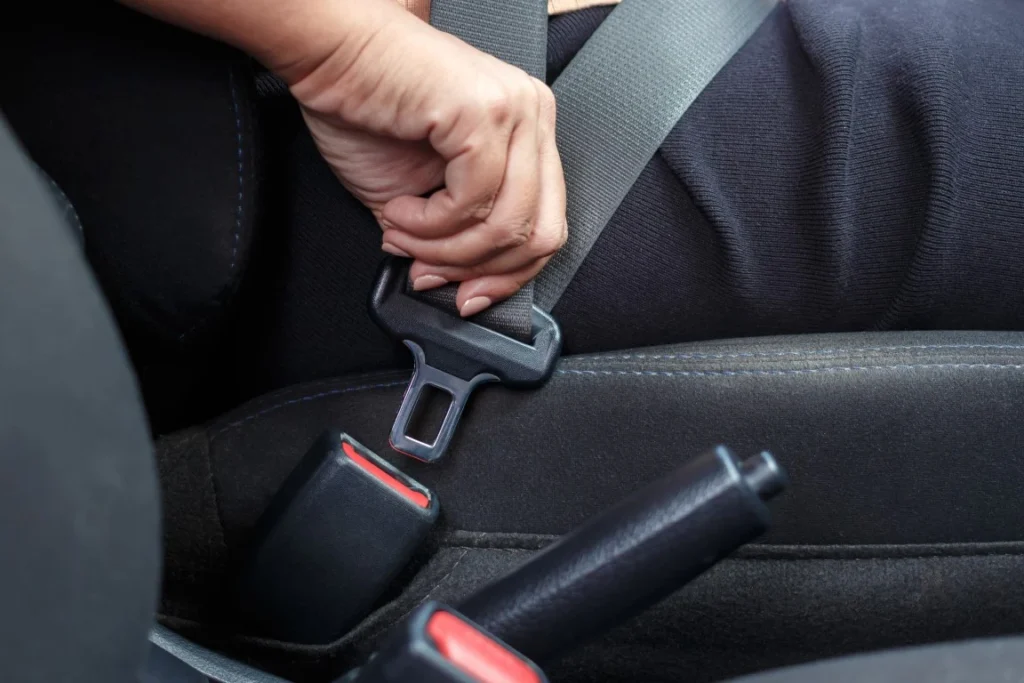
When you’re in a car accident, it is incredibly difficult to escape without a single injury. Thankfully though, modern safety features have helped protect drivers from developing major injuries as a result of an accident. However, this doesn’t mean you’re going to entirely avoid injuries entirely. Some of these safety features may inadvertently cause some discomfort.
One of the most common injuries people will experience in car accidents of all kinds is seatbelt trauma. The sudden tightening of your seatbelt as your body is jerked around from the accident can leave you feeling achy and uncomfortable. But, with the support of a trusted chiropractic team, you can make a quick, complete recovery.
In this blog, we’ll explore why seatbelt trauma is so common, help you determine how to address immediate discomfort, and explain how a chiropractic can support your recovery.
Understanding How a Sudden Stop Can Cause Seatbelt-Related Trauma
The first step in recovering from seatbelt trauma is understanding why it happens in the first place. When you’re in an accident, your car is suddenly stopped, but your body continues to match the vehicle’s original speed until it is caught by the seatbelt. Whether you’re driving slowly through a neighborhood or quickly down a highway, this means sudden, high-pressure contact.
The seatbelt digs into the shoulder, chest, and pelvis as it restrains you tightly against your seat. While this feature is designed to keep you safe from more significant injuries, it does deliver its own trauma to your body. Individuals who are using the seatbelt improperly are also at risk of developing significant discomfort.
If your lap belt rides up over the lower abdomen, the pressure is applied directly to your internal organs and spine instead of to the stronger bones of your hips, creating its own trauma. While this trauma can be distressing, it is a fair trade-off for more significant, mortal, or fatal injuries as the result of your car accident.

Common Types of Soreness After an Emergency Stop
It isn’t uncommon to come out of an accident not experiencing immediate discomfort. Your adrenaline generally masks these symptoms, and you may not realize you’re in pain until a few hours to days afterward. However, it is difficult to avoid pain entirely. When you’re dealing with seatbelt trauma, there are a few common injuries you’ll experience, including:
- Cervical Whiplash: As your body is jolted forward and backward, the whipping motion can overstretch the muscles, tendons, and ligaments in your neck. This leads to deep aching, muscle spasms, a restricted range of motion, and tension headaches.
- Bracing Strains: If you were anticipating an impact, you may have braced yourself before this occurred. This may mean that you also injured your lower lumbar region (and wrist joint or rotator cuff if you were the driver) leading to muscle strain and inflammation.
- Chest & Abdomen Trauma: When your body is caught by the seatbelt, the sudden, intense, and localized pressure can result in bruised ribs, a tender chest wall, and soreness across your abdominal wall, as well as pain while laughing or breathing deeply.
Tips for Immediately Managing Discomfort from Seatbelt-Related Trauma
While it is generally best to seek immediate medical attention following an accident, you may need to wait longer to see your general practitioner or trusted chiropractic team. However, this doesn’t mean that your seatbelt trauma needs to go ignored. Instead, there are a few things you can do to manage your discomfort before seeking care, including:
- Use Ice: When you are experiencing swelling as a result of your seatbelt trauma, it is best to utilize ice for your immediate recovery. The ice packs will cool your blood as it flows through the affected area, helping to quell inflammation.
- Get Rest: Until you can get in to visit your doctor or chiropractor, it is best to give yourself time to rest. Avoid significant physical exertion as this may do more harm to the impacted areas and make appropriate adjustments to limit additional trauma.
- Take Pain Medication: While this may not be appealing to everyone, some patients may benefit from using over-the-counter pain medication, including acetaminophen, to help manage your pain before visiting with your medical team.
While it can be tempting to utilize heat to address your discomfort, this may not be the best solution for treating seatbelt trauma. Heat may inadvertently worsen swelling and inflammation. Instead, it is best to stick with ice before speaking with your healthcare providers.
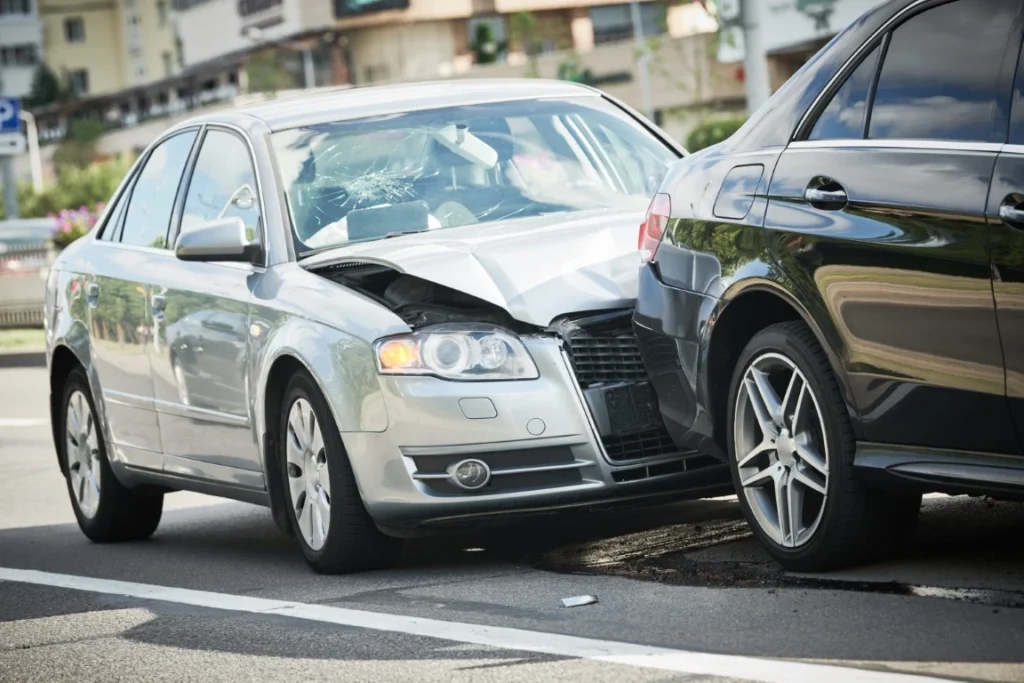
Why Muscle and Joint Pain May Develop Hours or Days Later
If you left the accident site without any discomfort, you may be confused by pain developing in the hours and days afterward. However, this isn’t uncommon, and is a natural result of being in a car accident. In the moments immediately following an accident, your body releases adrenaline to boost alertness and block pain signals.
This adrenaline rush subsides within a few minutes of the accident, but the effects last for up to 72 hours. Once this dies down, you may begin noticing symptoms of seatbelt trauma. Additionally, some sudden forces may result in gradual inflammation. After an accident, your body will send blood and fluids to injury sites to heal the damage.
While this helps with recovery, it also means you’ll notice swelling that once wasn’t present. Finally, as your body begins to relax after an accident, you may experience muscle spasms. During the accident, the muscles tense, and they will spasm as they begin to relax. While this can be distressing, this late development is an anticipated result of your accident.
How Chiropractic Care Can Support Recovery After Seatbelt Trauma
If you’re dealing with seatbelt trauma, treating it on your own may not always be the best solution. In some cases, it is best to partner with a trusted chiropractic team to find lasting relief. But how do they do this? When you partner with a chiropractor to treat your seatbelt trauma, they will utilize a variety of treatments to deliver comfort:
- Physical Exam: They’ll begin by performing a thorough physical exam, determining exactly what injuries you’re experiencing to craft a personalized treatment plan.
- Spinal Adjustments: If you’ve developed spinal trauma as a result of improper seatbelt placement, they may recommend an adjustment to alleviate discomfort.
- Soft Tissue Therapy: Your chiropractor will utilize myofascial release to loosen tight muscles in your neck, shoulder, back, and hips to prevent scar tissue formation.
- Rehabilitative Exercises: In addition to in-office care, they’ll provide you with at-home exercises to continue boosting strength, stability, and range of motion.
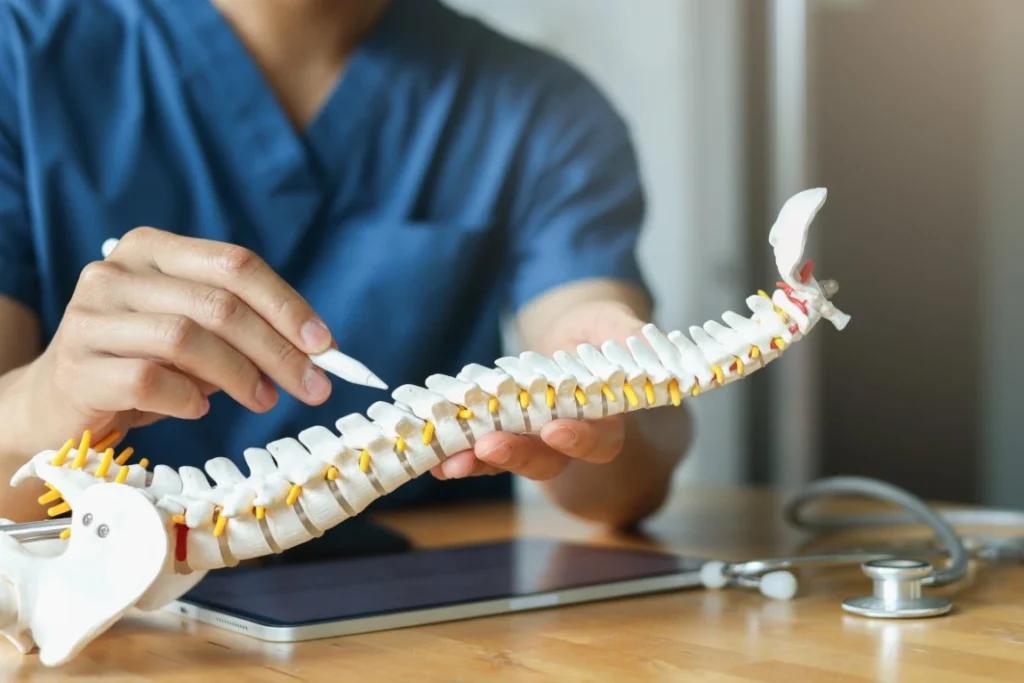
Schedule Chiropractic Care in Tooele County Today
Dealing with discomfort from seatbelt trauma can be uncomfortable, but with professional chiropractic support, you can trust that you’re on the road to recovery. If you’re looking for a reliable chiropractic team in Tooele County, turn to our team at Muscle & Joint Chiropractic for expert support. Whether you’re dealing with minor aches and pains or lingering, chronic discomfort, we have the training and experience necessary to deliver lasting relief.
If you would like to schedule an appointment with our team to help you address seatbelt trauma and lingering pain, don’t hesitate to contact our team today.