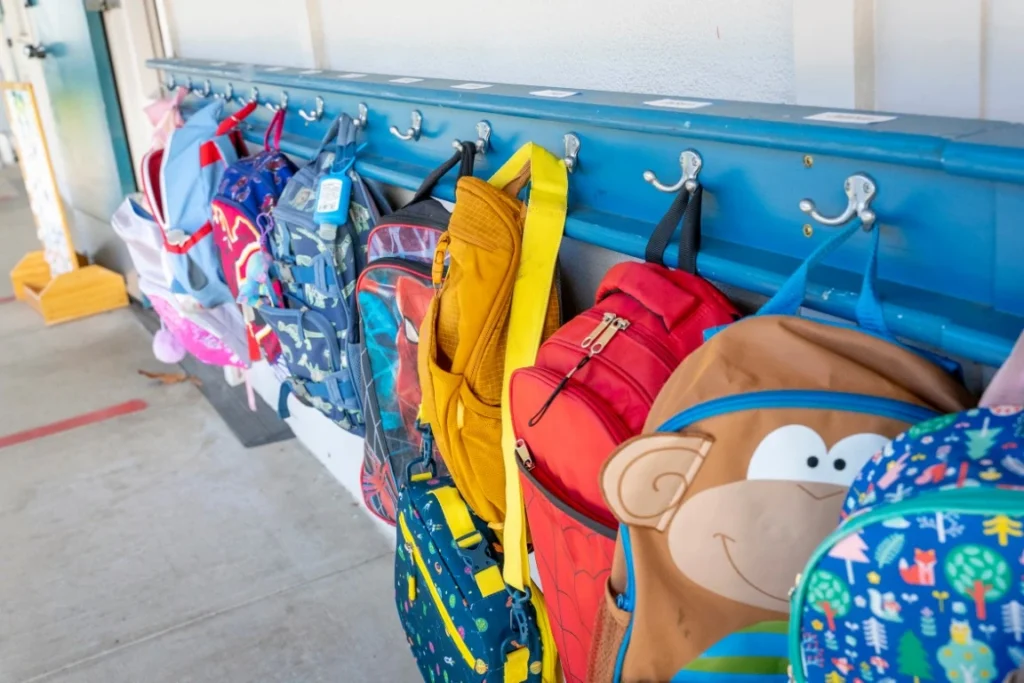
As the school year approaches, parents may find themselves rushing to purchase appropriate school supplies, clothing, and other essential materials. But, one thing that often goes overlooked is the backpack. Many children choose their backpack based on their favorite shows, characters, and colors. But, choosing the wrong backpack can have dire consequences.
Whether your children are high school aged or just starting school, their backpacks can take a more toll on their back health. Thankfully, by following a few strict backpack safety tips, you can ensure your child is doing everything in their power to protect themselves from major injuries and lasting discomfort.
If you want to learn more about how to keep your child’s back safe this school year, keep reading to learn more about our backpack safety tips.
1. Choose the Right Backpack
One of the most crucial backpack safety tips is to ensure you’re choosing the appropriate backpack for your child. While they want to choose a backpack that matches their style, there are a few other features to look for. Make sure your child’s backpack isn’t too large for their back. It should be no wider than their torso and should sit no more than four inches below their waist to ensure they can carry it comfortably and safely. Additionally, look for a backpack with padded straps that will help them avoid putting excess strain on their shoulders.
2. Don’t Overpack
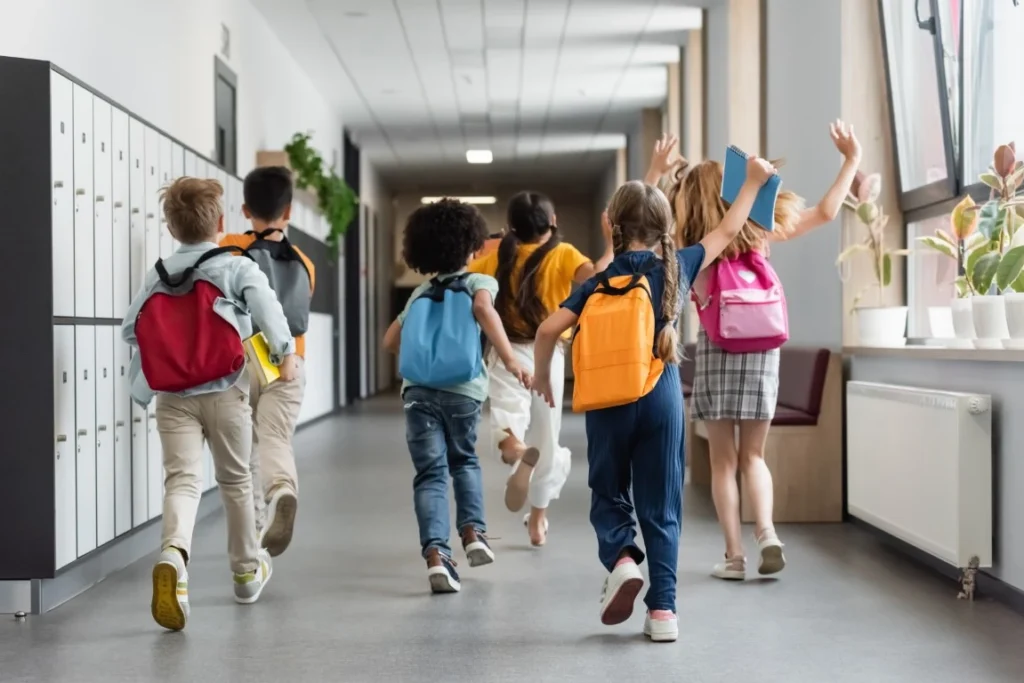
While it can be tempting to put everything your child owns in their backpack, it is important that they avoid overpacking the bag. Putting too much in their bag can put excess weight on their shoulders, leading to an increased risk of back injuries. As a part of your child’s backpack safety, talk to them about avoiding overpacking. If items are going overused day after day, they may not need it to be in their backpack and it may be better tucked safely in a desk, kept at home, or stored in a locker.
3. Use the Backpack Appropriately
It is incredibly important to choose the right backpack for your child’s back health. However, simply having the appropriate backpack often isn’t enough. Instead of simply choosing the right backpack, also talk to your child about how to wear it as a part of their backpack safety. Your child should wear both straps on their shoulders to avoid excessive strain on one shoulder. Additionally, these straps should be tightened to about one to two inches below the shoulders to keep it secure to their back, even when they are in motion.
4. Be Mindful When Packing
As your child begins putting their belongings into their backpack, it is important that they don’t simply throw everything in there without a care. How their belongings are stored in the backpack can make a major difference in their everyday back health. As a part of their backpack safety routine, it is important that your child stores the heaviest items close to their back, while lighter items can go in outer pockets. Keeping the heaviest items close to their back can ensure even balance across their body, preventing strain as they go throughout their day.
5. Use Lockers When Possible
While elementary-aged students won’t have access to lockers, middle-, junior high-, and high school-aged students do. As you begin talking to them about backpack safety, make sure to emphasize the importance of using their locker throughout the day. While your child may not be able to visit their locker between every class, they should stop by as frequently as possible. High school students often have much heavier textbooks and more class materials, making it essential for them to drop them off between classes to help them avoid carrying more than their back can comfortably support.

6. Lift Carefully
It isn’t just important to choose the right backpack and to pack appropriately. They should also be incredibly mindful when picking it up. Carelessly flinging their backpack over their shoulder or lifting it improperly can lead to major back injuries and chronic, recurring problems. If you want to protect your child from injuries, talk to them about proper lifting techniques when going over backpack safety tips. Your child should lift using their legs instead of their back, keep the backpack close to their body when lifting, and avoid twisting. If the bag is on the heavier side, they may want to rest it on their knee before swinging it onto their back.
7. Clean It Out Regularly
Cleaning out a backpack regularly is one of the most overlooked, yet essential, elements of backpack safety. Over time, seemingly small items can accumulate and add unnecessary, surprising weight. This extra burden forces your child’s back to carry more than it needs to, increasing strain and the risk of injury. Encourage your child to empty their backpack once a week, removing anything that isn’t required for their daily school activities. This simple routine helps maintain a safe carrying weight and ensures they only transport necessary materials, protecting their back health throughout the school year.
8. Check In With a Chiropractor
The final step in maintaining safe backpack use is to check in with your chiropractor regularly. They can spot the smallest injuries before they become much more significant, complex problems. An experienced chiropractor may also be able to provide your child with tailored advice to address problems they’ve experienced in the past. Not only will a chiropractor help them address back problems they’re just beginning to develop, but also help them prevent problems from occurring down the line. While it may seem like a premature step, checking in with a chiropractor before problems occur can save them from a lot of discomfort later on.

Turn to Us for Tailored Backpack Safety Tips
At Muscle & Joint, our team understands just how impactful improper backpack use can be on the health of your child’s back. Instead of hoping that they’re carrying their backpack properly, turn to our team for tailored backpack safety tips. During our physical examinations, we can assess the current condition of your child’s back and give them advice to help them avoid repeat injuries and long-term chronic conditions.
If you would like to learn more about how we can help you protect your child’s long-term back health, don’t hesitate to contact us to schedule an appointment.